
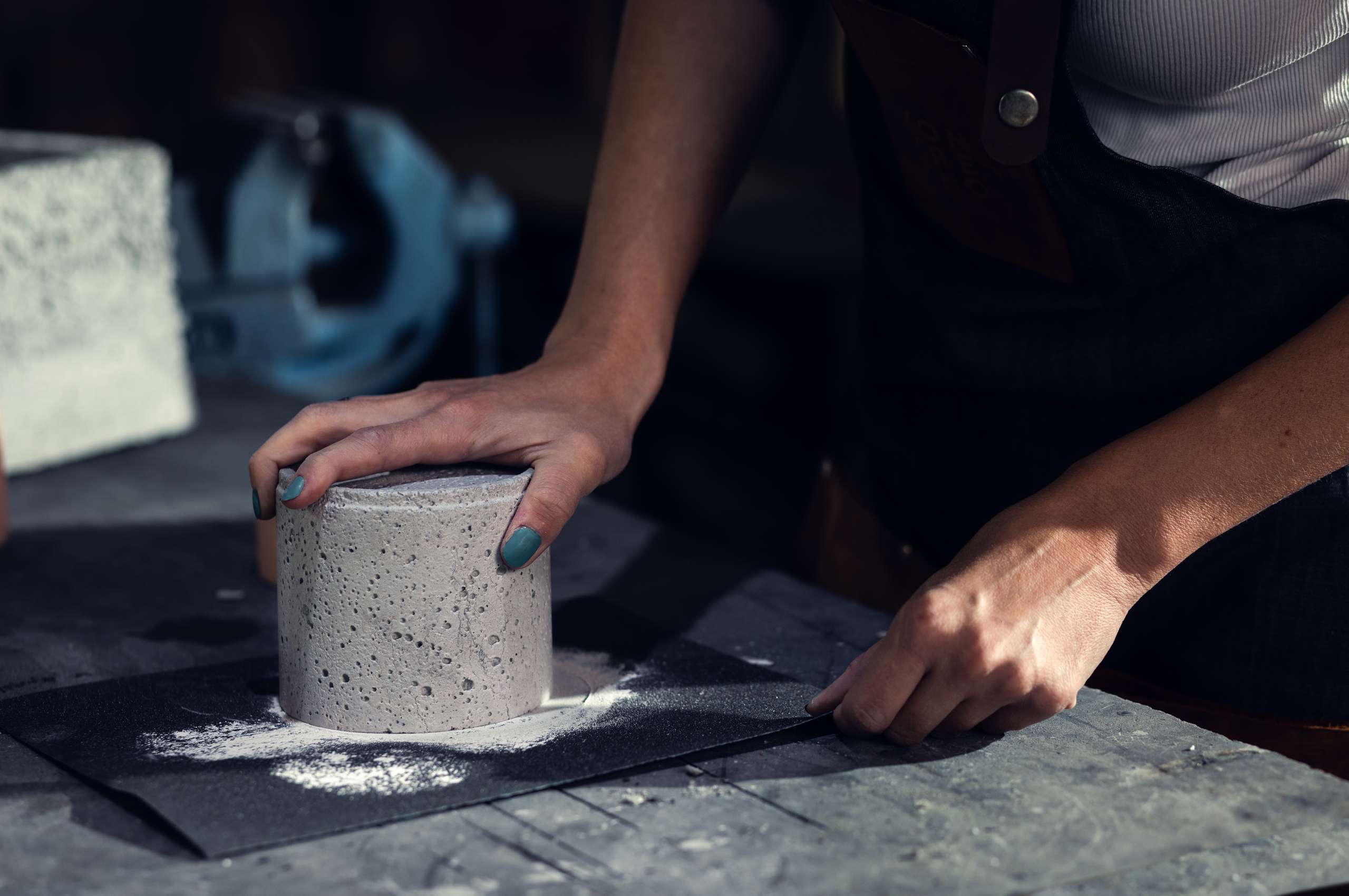
The Quiet Power of Concrete: Why This Ancient Material Feels Perfectly Modern
There is something deeply honest about concrete.
It arrives as dust and water, nothing glamorous, nothing pretending to be precious. Yet in the hands of someone who understands its nature, it becomes weighty, calm, and quietly luxurious. The surface can feel like stone worn smooth by centuries of river water. The edges can carry the precision of machined metal. And when the light hits just right, a simple concrete vessel can hold a room the way marble holds a cathedral.
We didn’t choose concrete because it was trendy. We chose it because it refuses to lie.
Wood swells and shrinks with the seasons. Plastics fade and brittle. Glass shatters. Concrete, once cured, simply is. It ages with dignity: a soft patina, a few hairline traces of time, nothing more. In an age of disposable everything, that permanence has become radical.
What concrete teaches that no other material can
- Patience that cannot be rushed Twenty-eight days for full strength. No shortcuts, no “good enough for now.” The material demands respect for process.
- Imperfection as character Tiny air bubbles, subtle color shifts, the faint mark of the mold — these are not flaws. They are proof that a human hand was present.
- Strength hidden beneath softness Raw concrete looks almost fragile when wet. Hours later it can bear the weight of a car. The transformation mirrors what happens to the maker.
From industrial excess to intimate object
Most of us first met concrete as sidewalks and brutalist towers — cold, gray, impersonal. The revolution happening right now is the return of concrete to the human scale. A lamp that weighs exactly enough to feel solid on a nightstand. A planter that makes a monstera look sculpted rather than simply potted. A tray that turns a handful of keys and coins into a small daily ritual.
The same material that built motorways now holds someone’s morning coffee.
That contrast is part of the magic. Concrete remembers its industrial roots yet chooses to sit quietly on a shelf and hold space for beauty.
The moment everything changes
Every maker remembers their first perfect release from the mold. The nerves of the night before — Did I vibrate enough? Was the mix too wet? — dissolve when the form lifts away cleanly and the piece stands on its own. In that instant, concrete stops being “difficult” and becomes generous. It rewards attention the way few materials do.
That moment is what we chase, project after project. Not just another object completed, but another quiet proof that patience, clarity, and honest materials will always create something worth keeping.
Concrete doesn’t shout. It doesn’t need to. Its power is in the weight you feel when you pick up something you poured with your own hands — something that will outlast trends, phones, and probably most of the furniture in the room.